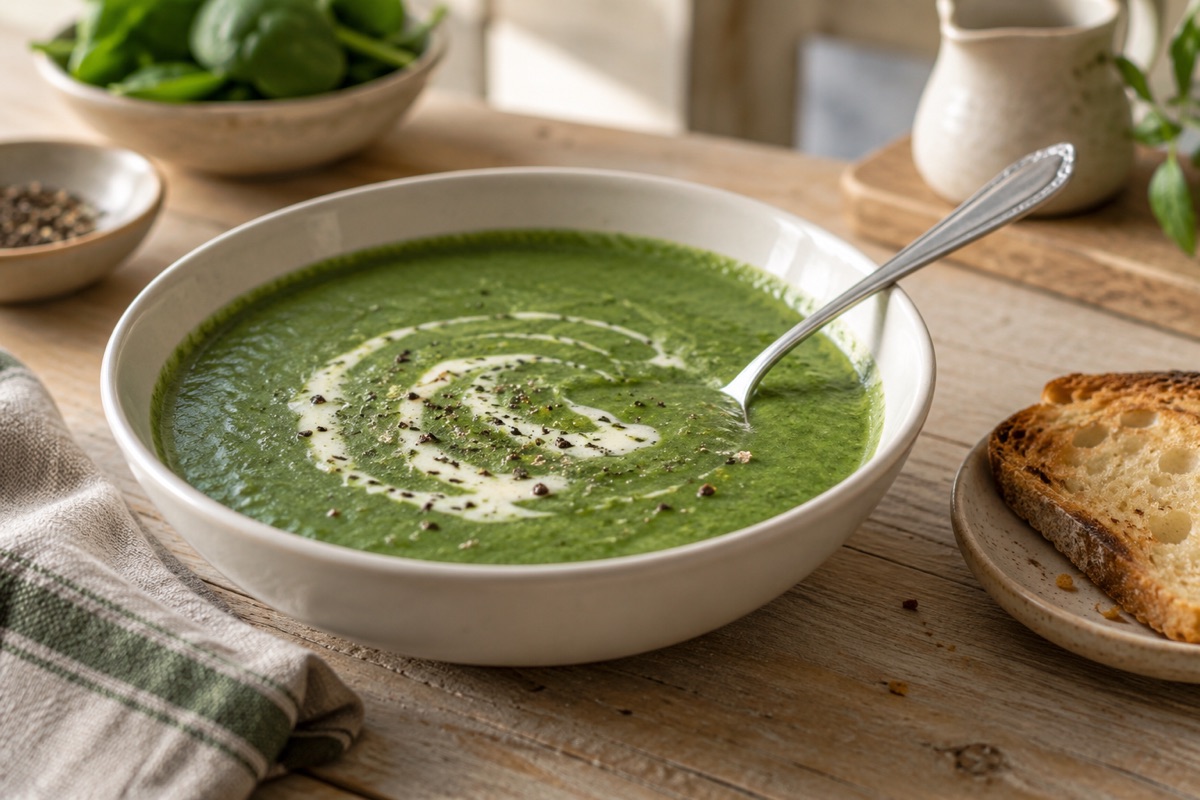
Cream of Spinach Soup: A From-Scratch Recipe
A smooth cream of spinach soup built from onion, potato, broth and fresh spinach, with notes on adjusting the thickness and reheating leftovers.
 Read-N-Eat
 Recipes, ingredient guides and practical ideas for storing, sharing and understanding food.
A smooth cream of spinach soup built from onion, potato, broth and fresh spinach, with notes on adjusting the thickness and reheating leftovers.
Recipes to cook and guides to keep food well, the kind we would hand to a friend.

Pouring dry kibble straight into plastic bins lets surface fats sorb into container walls, turn rancid, and erase FDA recall lot numbers. Keep the clipped bag inside an airtight bin.

An unopened refrigerator holds 40°F or below for 4 hours, while a full freezer holds 48 hours (24 hours half-full) before power failure wastes perishable food.

A pantry shelf fails when its load number comes from a different mount. Match the printed row, then multiply by length.
Dishes to make at home, and plain explanations of the ingredients in them.
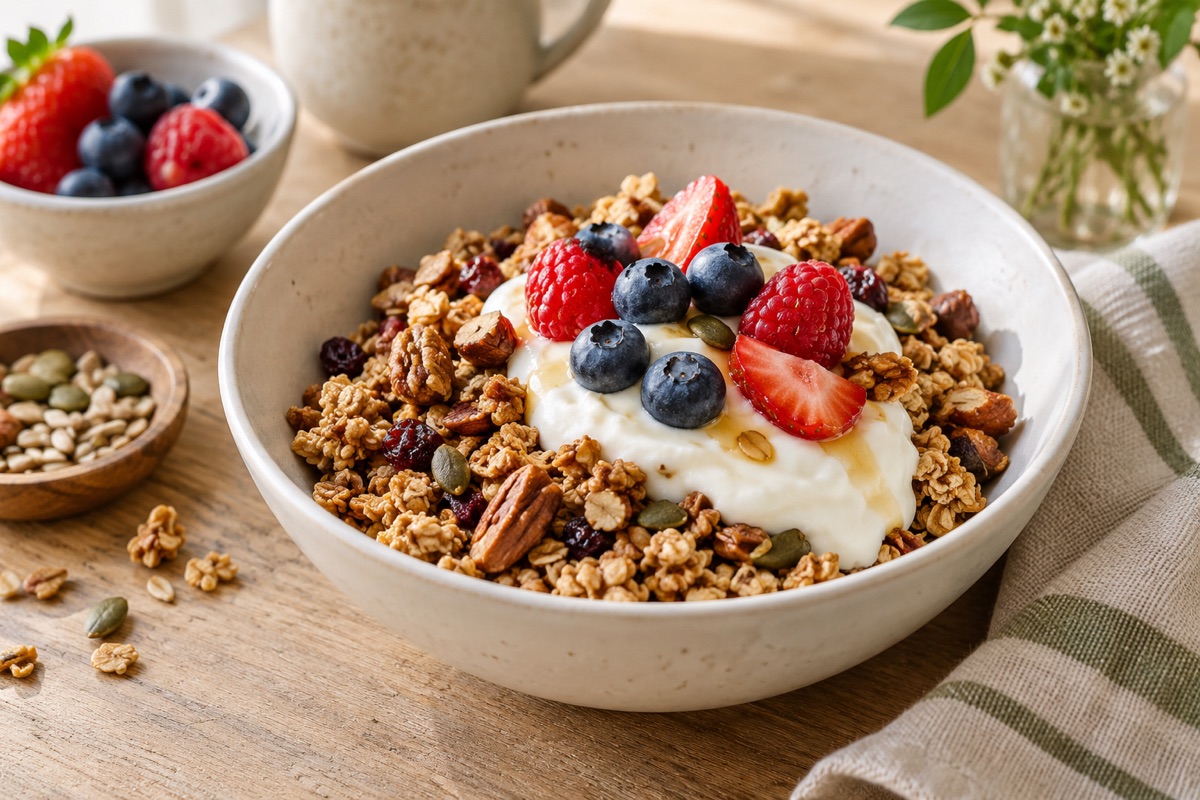
A crunchy oat granola with nuts and seeds, weighed in grams and cups, plus the techniques that build large clusters, including pressing, an optional egg white, and not stirring.
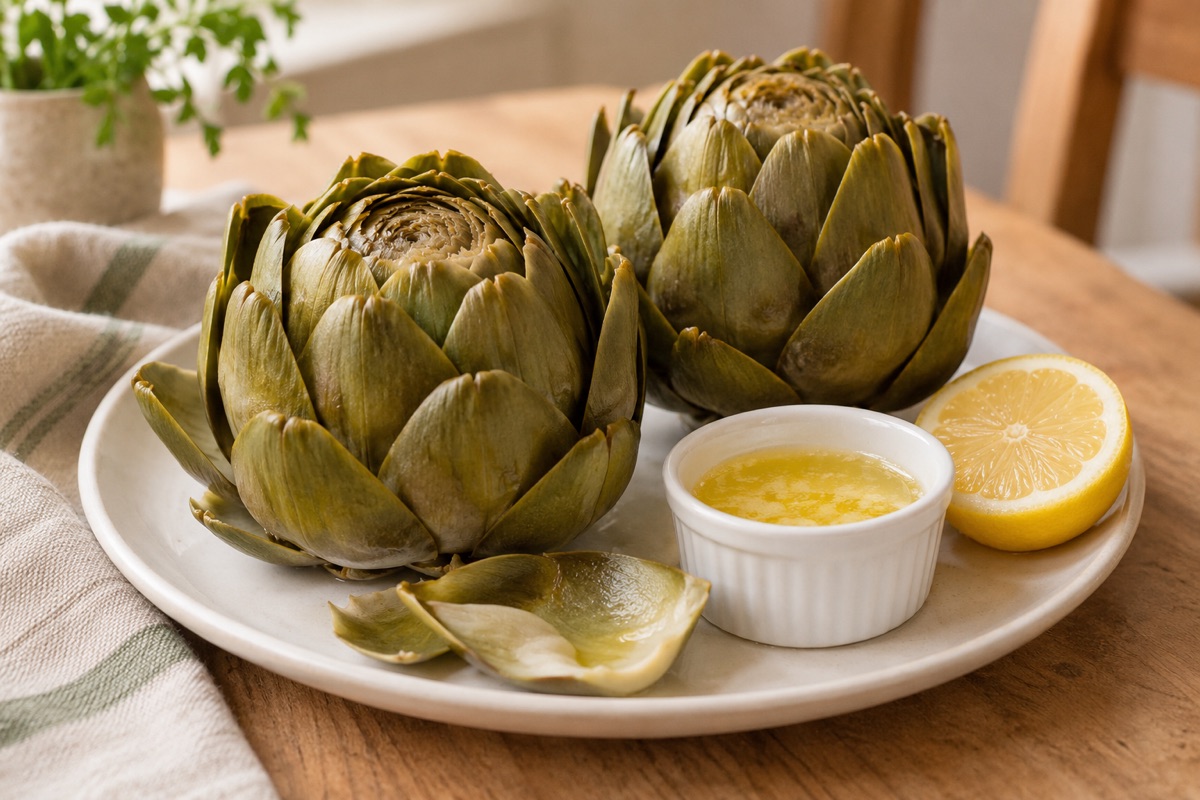
How to trim, steam and eat a whole globe artichoke, with signs it is done, a simple dip, and a clear guide to which parts you eat and which you leave.
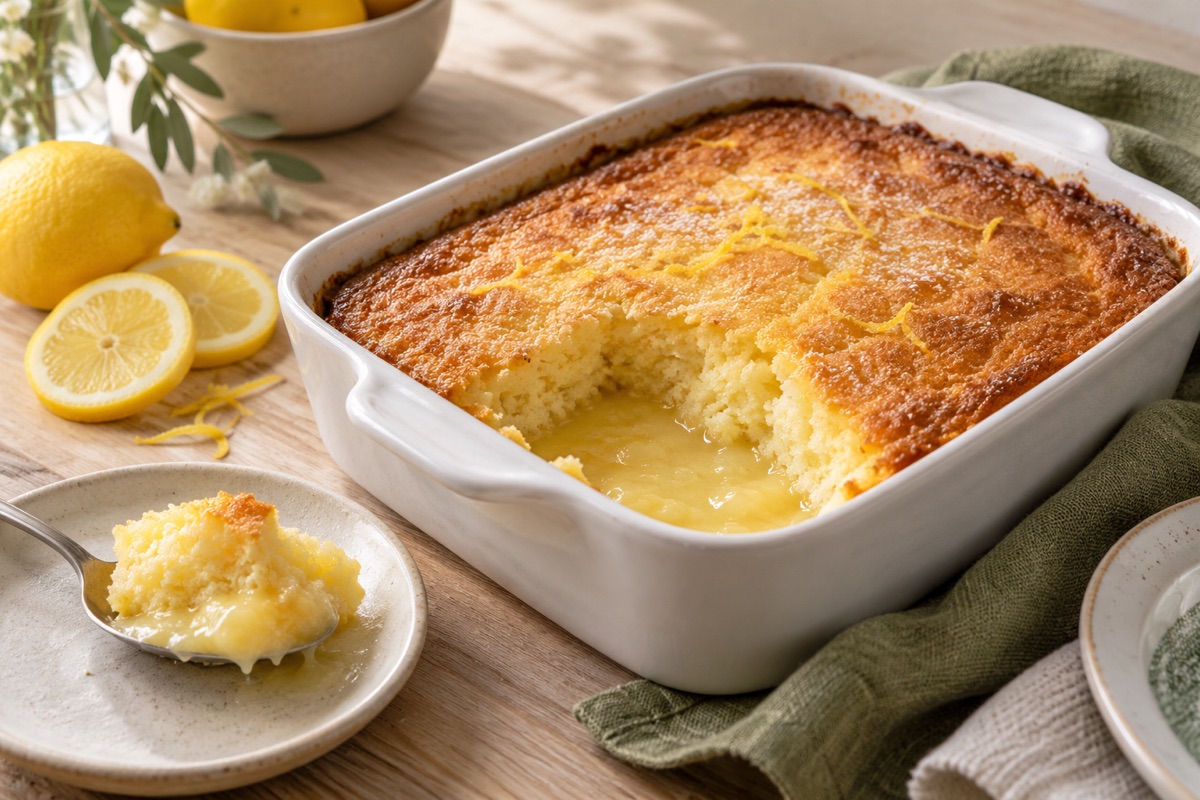
A Meyer lemon pudding cake that bakes into a light sponge on top and a soft lemon sauce underneath, with clear signs for judging doneness.
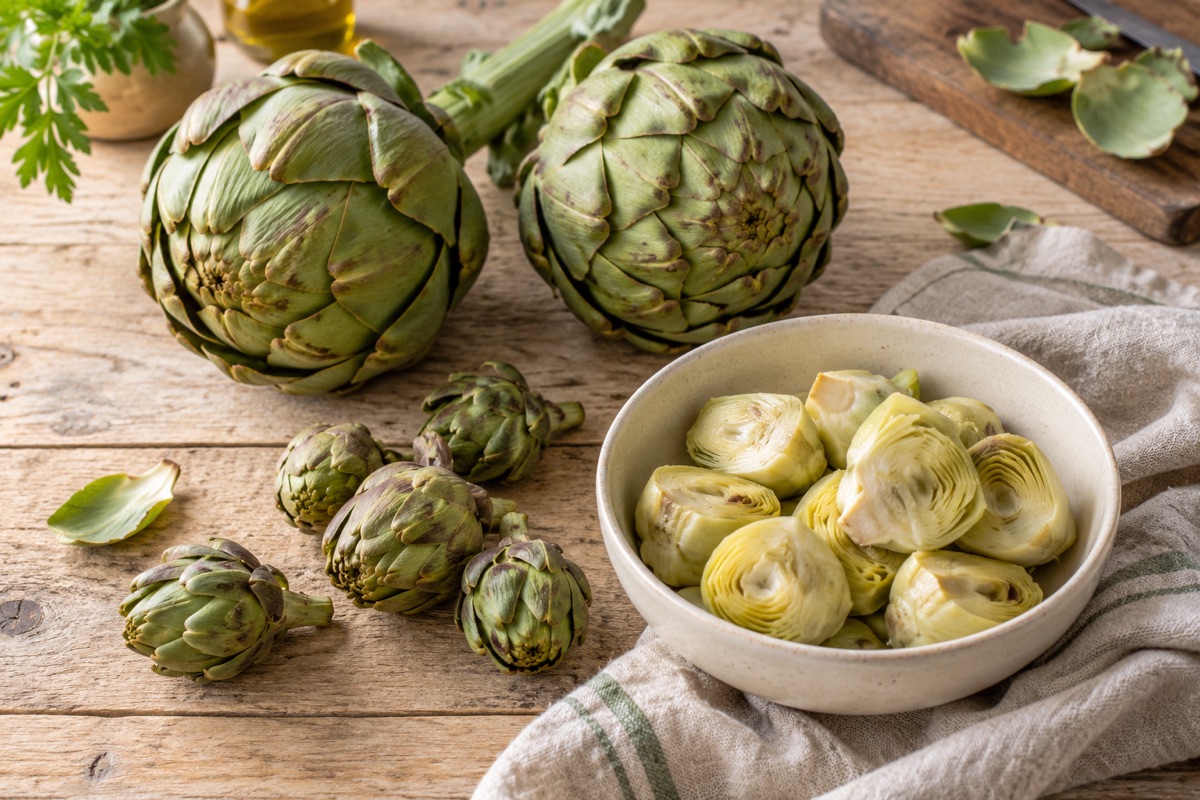
What a globe artichoke is, how baby artichokes and hearts differ, which parts you can eat, and how to choose between fresh, jarred and canned.
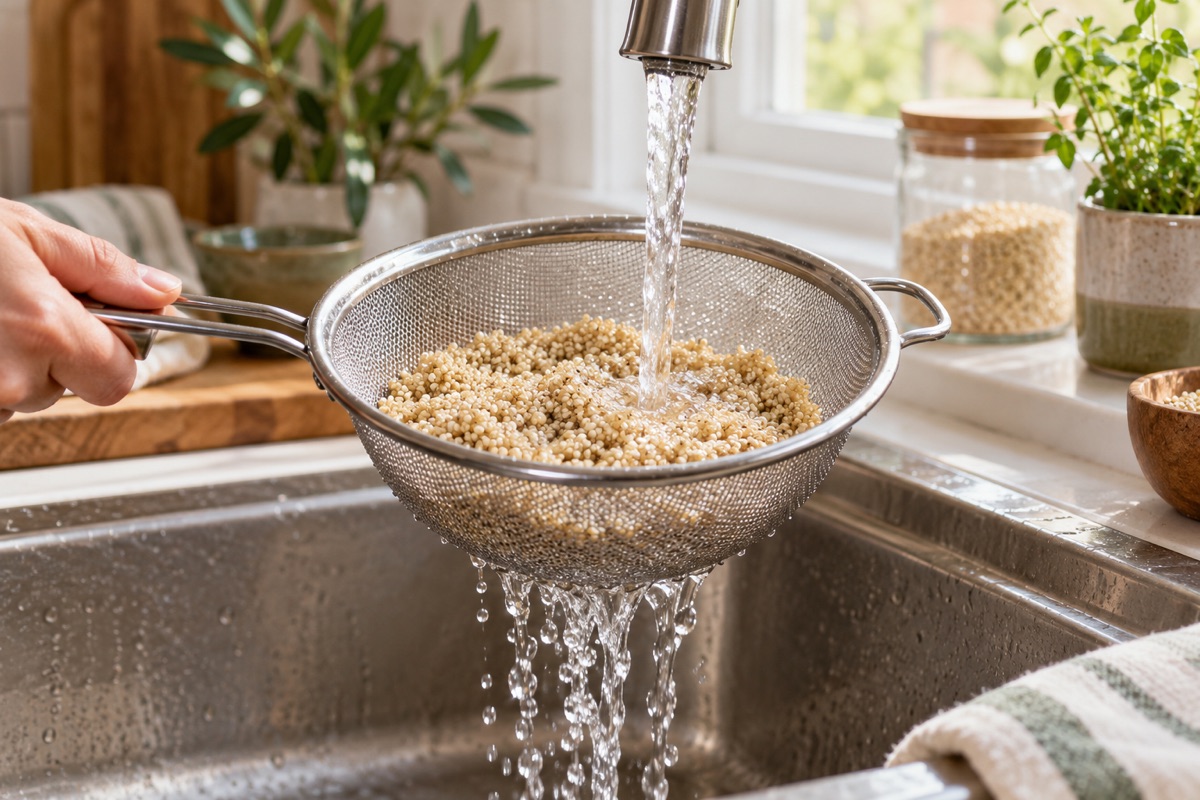
Rinse quinoa in a fine-mesh strainer to wash off its bitter saponin coating. Here is why, how to do it without losing seeds, and when the package says you can skip it.
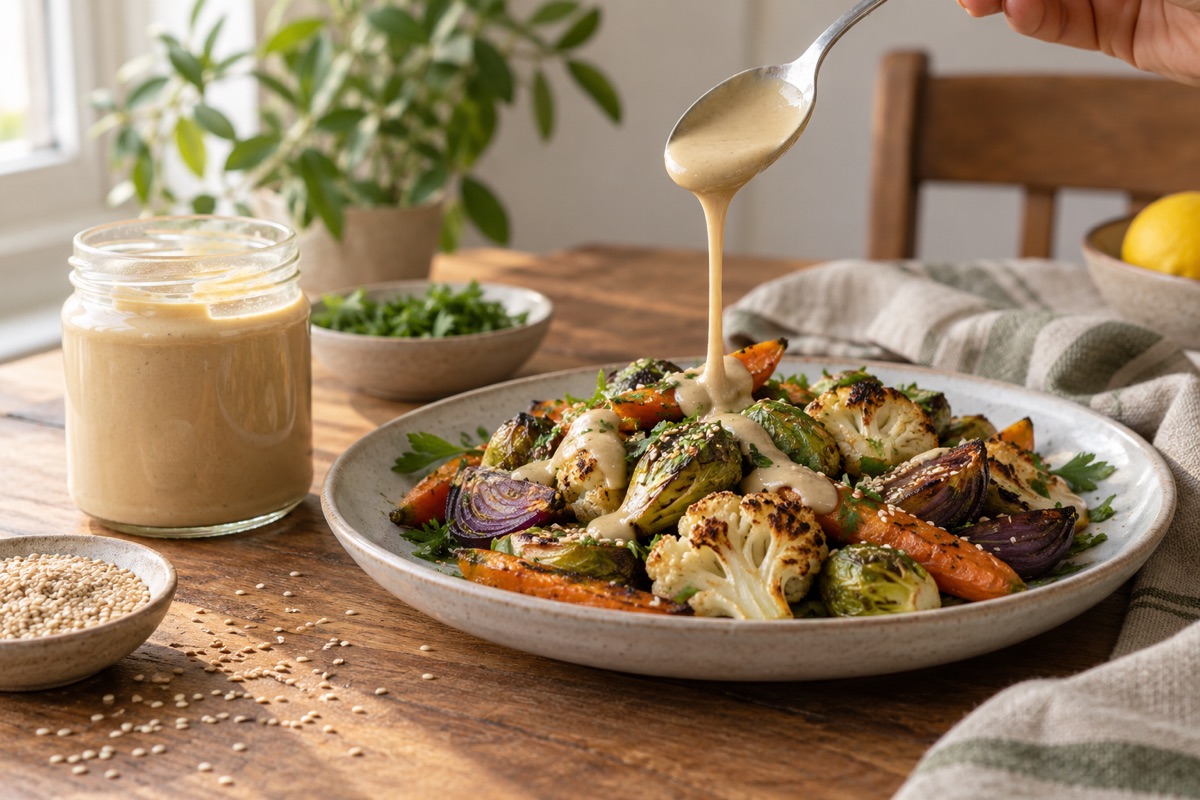
Tahini is ground sesame paste. Learn how to thin it into dressings and sauces, spread or drizzle it, bake with it, and what to know about sesame labeling.
How to wrap, freeze and label what you cook, with official guidance for times and temperatures.
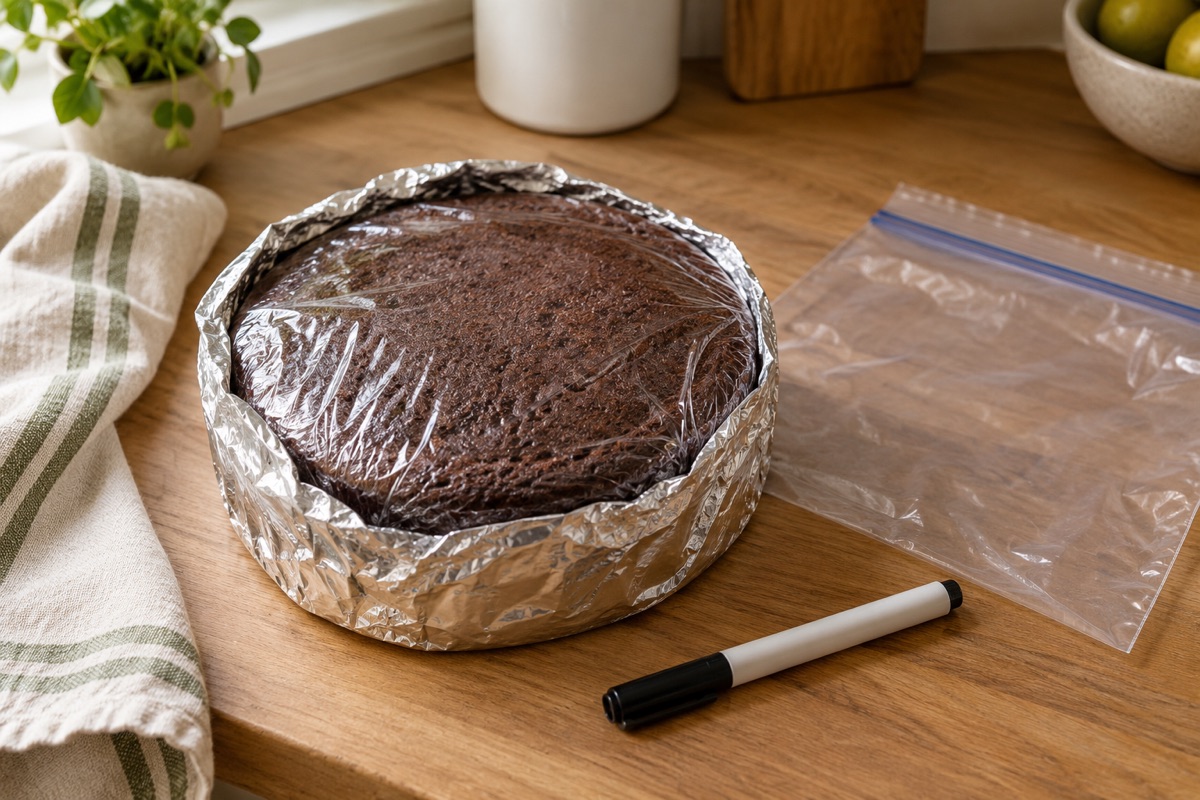
Cool the cake completely, wrap it snugly in layers, label it with the date, and thaw it covered. Here is how to freeze chocolate cake whole, in layers or by the slice.
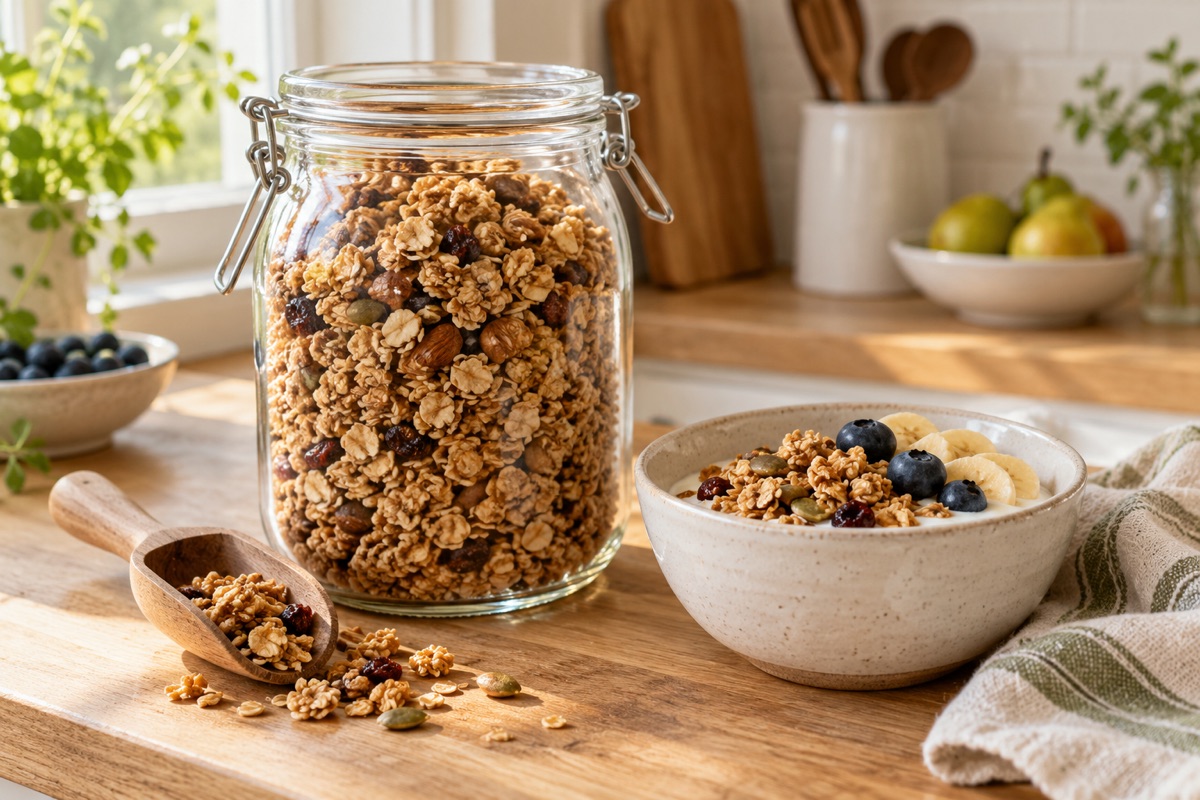
Let granola cool completely, pack it in a tight container, keep it dry and date the label. Here is how glass, plastic and pouches compare and how to judge freshness.
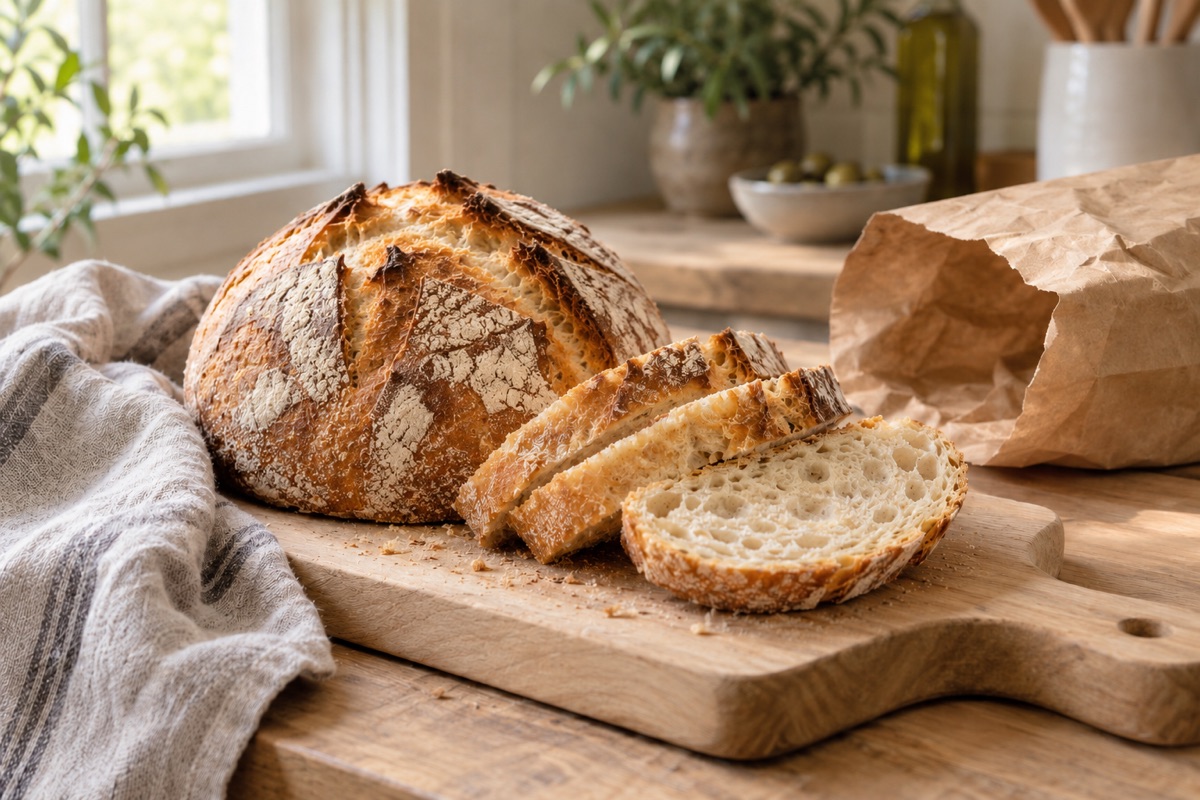
Match the storage to the loaf. Crusty bread, sandwich bread and quick breads each keep best in different wrapping, and the freezer is the answer for what you will not finish.
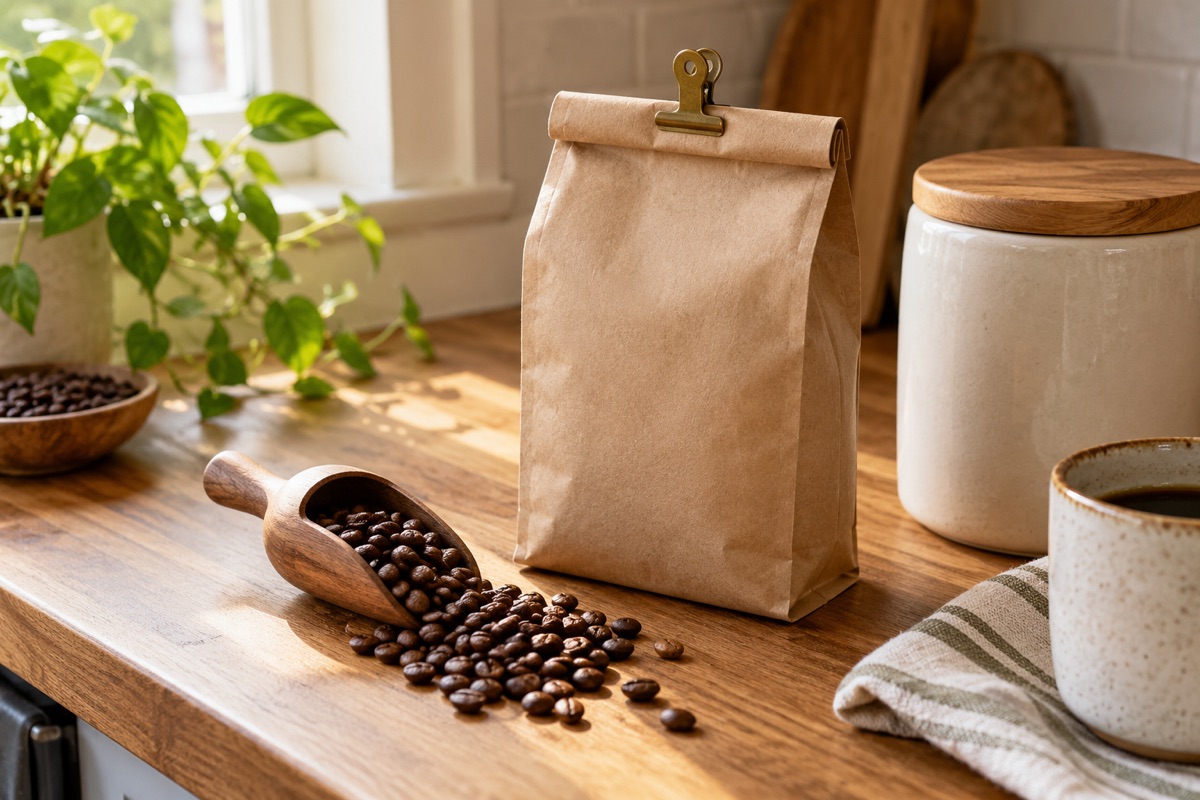
After you open a bag of coffee beans, air, light, heat and moisture start working on them. Here is how to close the bag, choose a container and decide about the freezer.
Family recipes and food memories, told by the people who lived them.
Separate defined old recipe units that have modern NIST equivalents from teacups, lumps of butter, and price-marked cans you must weigh and record on a worksheet.
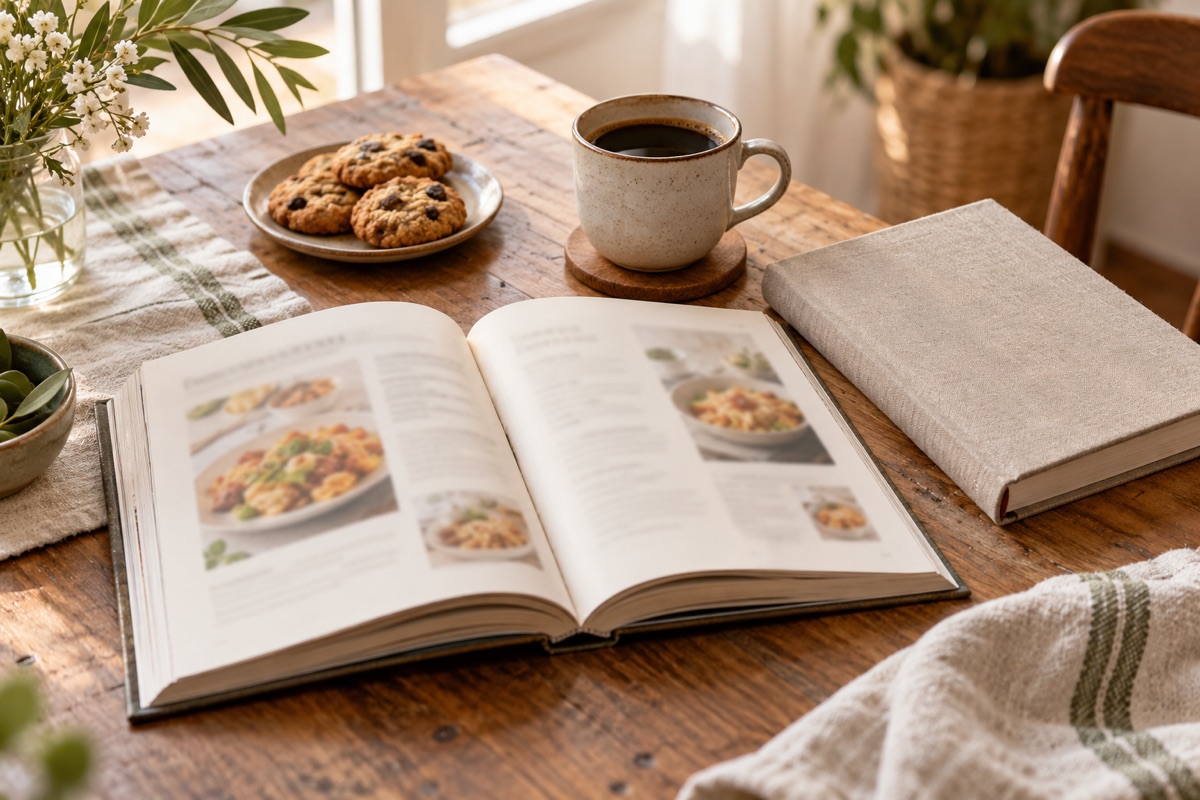
Plan chapters, use a consistent page template, choose between home printing and a print service, and proof a family cookbook before you order copies.
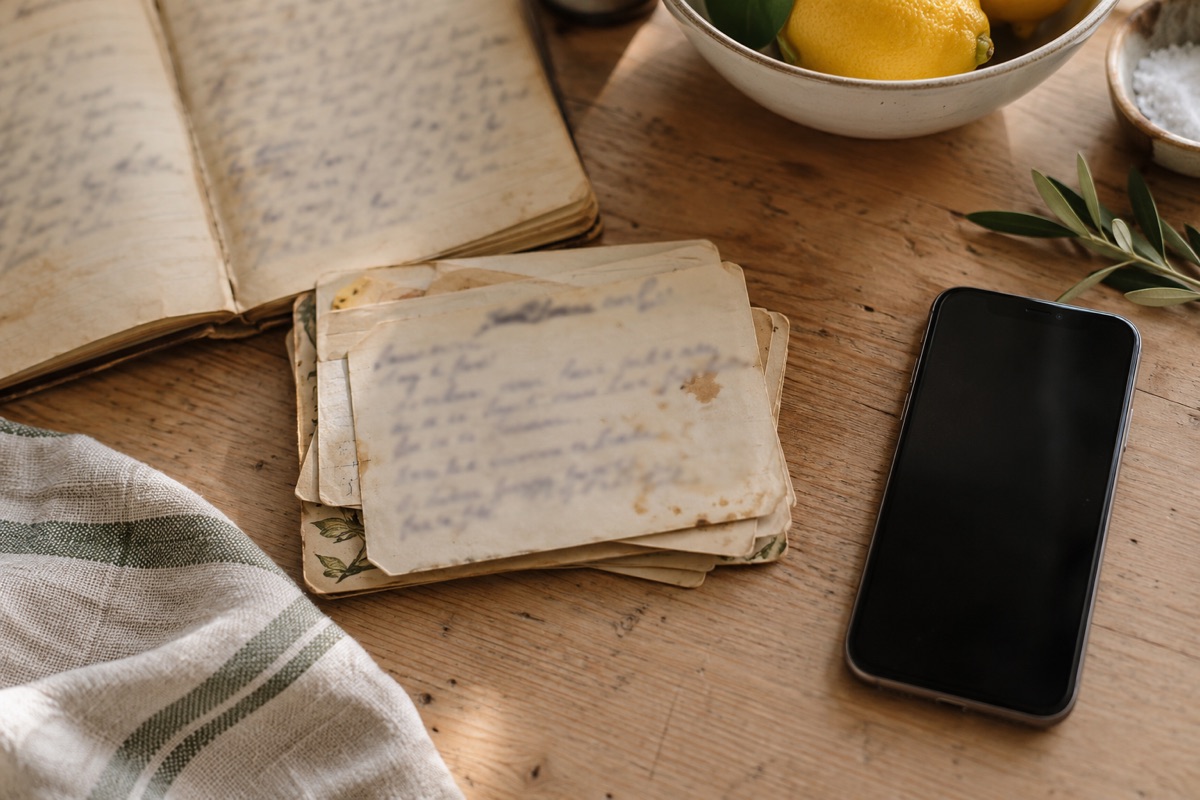
A step-by-step workflow for collecting, transcribing, scanning and backing up family recipes, with the context that makes them worth keeping.
Why a bag has a valve, how a seal holds, and what a symbol on the label means.
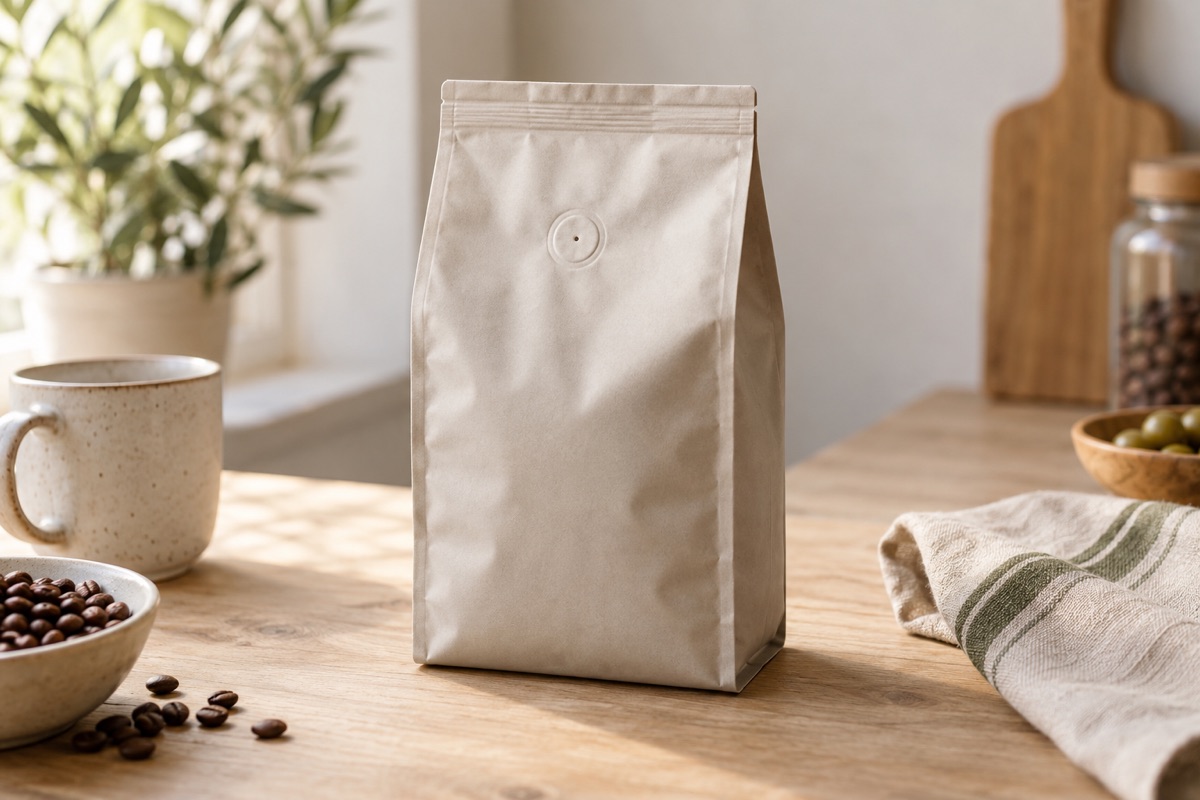
The small round disc on a coffee bag lets carbon dioxide out so the bag does not swell. It does not keep coffee fresh forever, and it matters little once the bag is open.
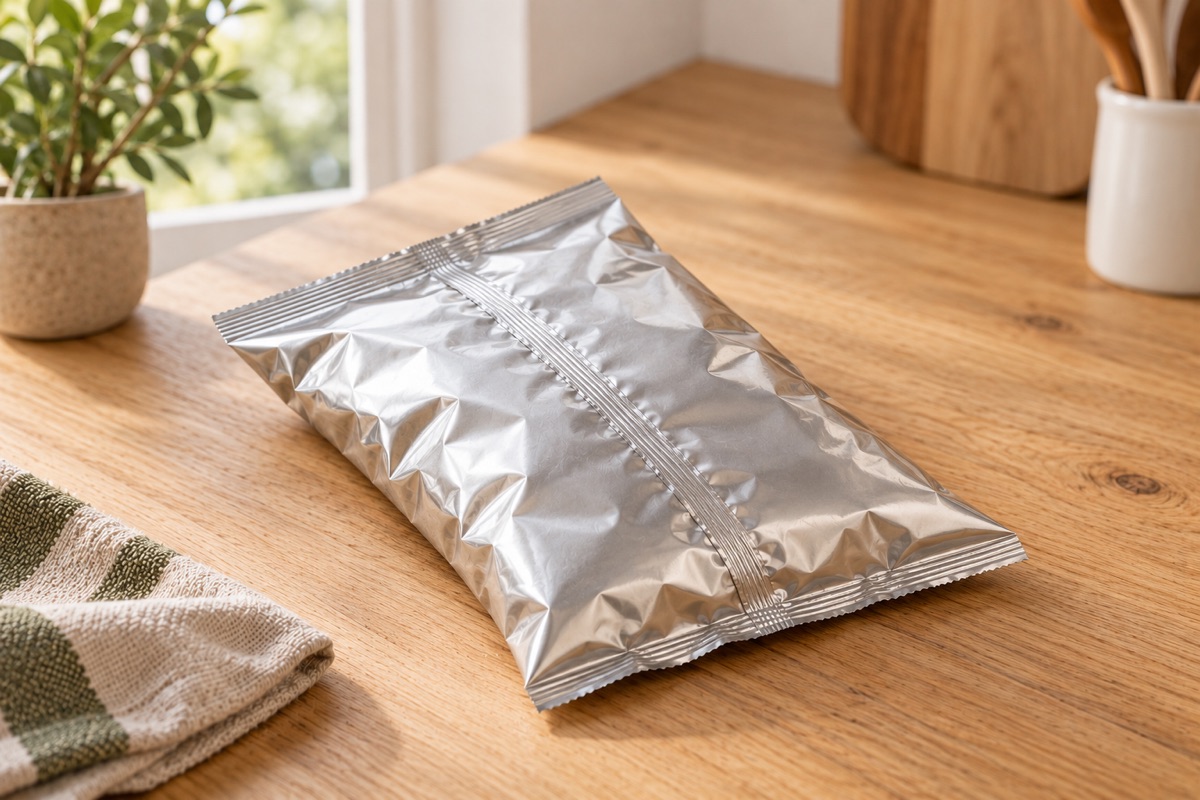
Chip bags are closed by heat sealing: plastic layers inside the bag are fused with heat and pressure. Here is what the seams are, why the bag is puffed and how it opens.
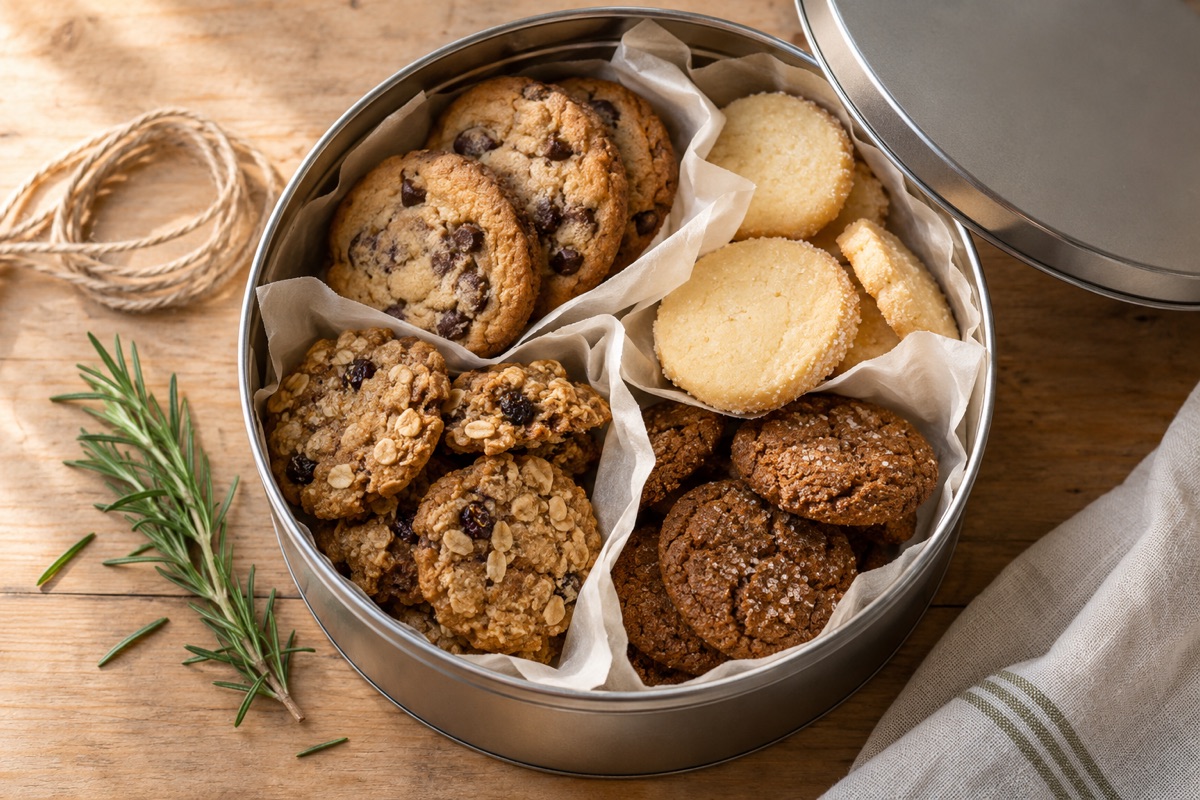
Cool the cookies fully, separate layers with parchment, fill every gap, and match the container to the trip. A plain guide to wrapping homemade cookies as gifts.
Checklists and plain advice for bakeries and food makers choosing, testing and costing packaging.
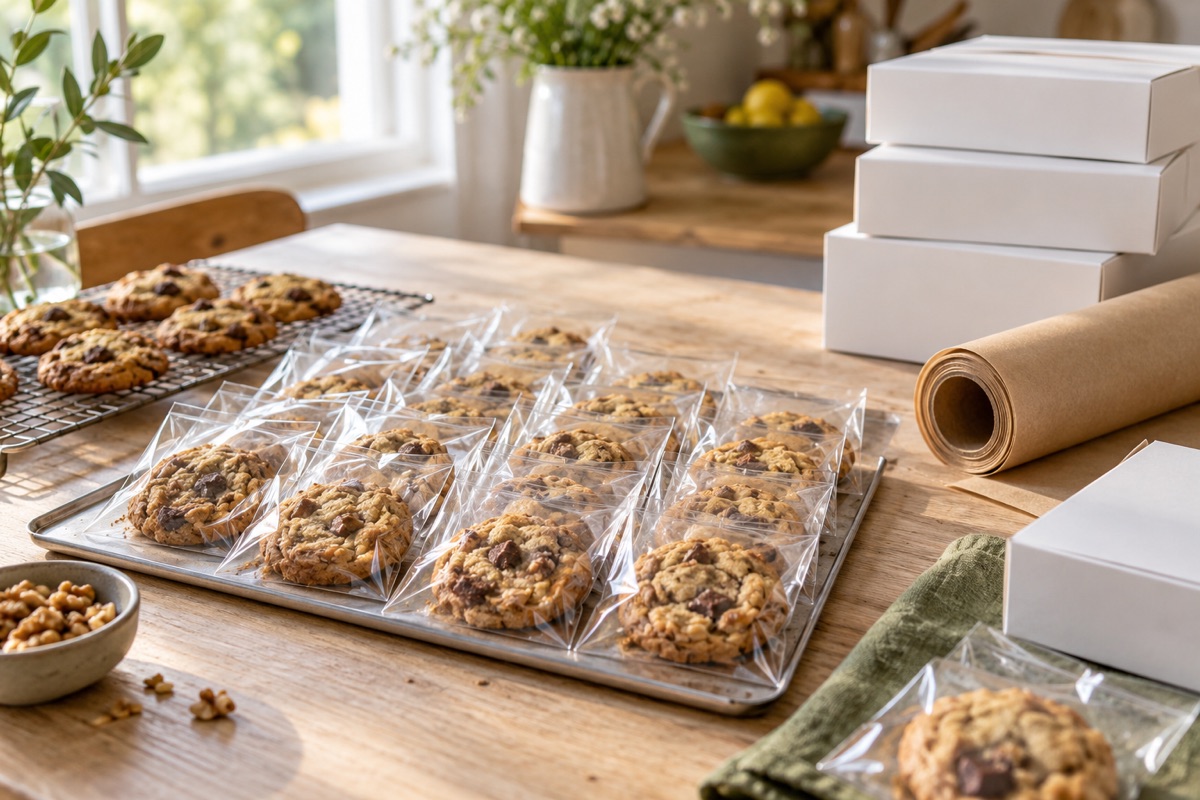
A planning checklist for small sellers: define the cookie, the quantity, the sales channel and the protection it needs, then test samples before you buy packaging in volume.
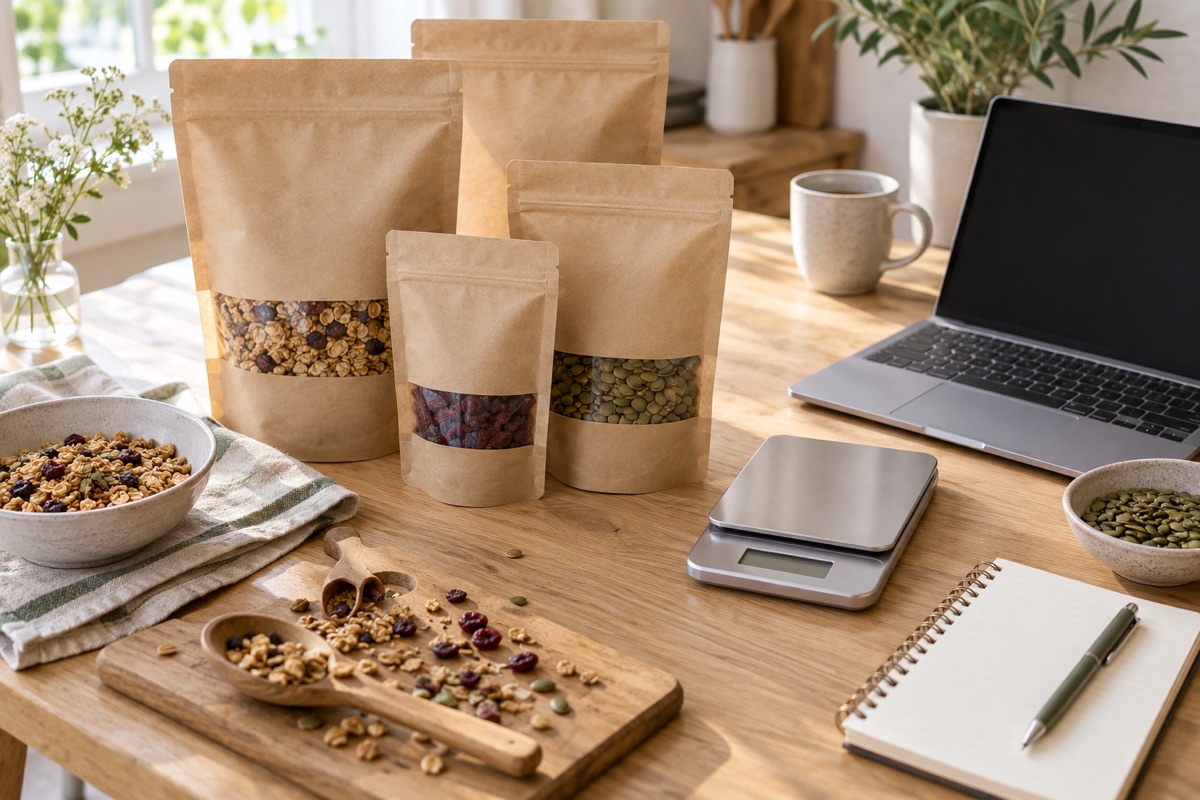
A free packaging brief for small food makers. Learn what each section asks, why suppliers need it, then build a copyable brief with the template below.
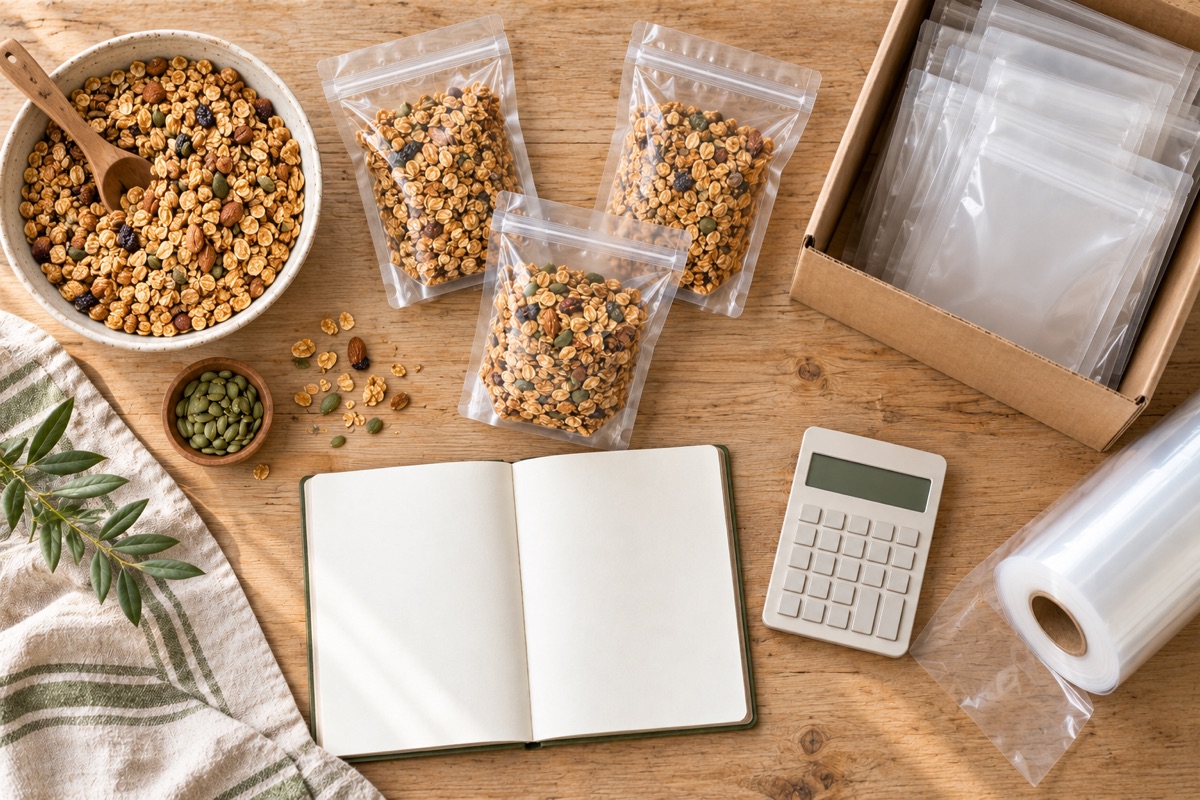
Work out packaging cost per sellable unit from materials, labor, fixed costs and scrap. Includes the formula, a worked example, and what to check next.