
Seasonal Cooking for Beginners: Start with What You Have
Seasonal cooking starts with what is fresh where you live. A beginner's method for finding local produce, building a few flexible dishes and keeping pantry staples close.
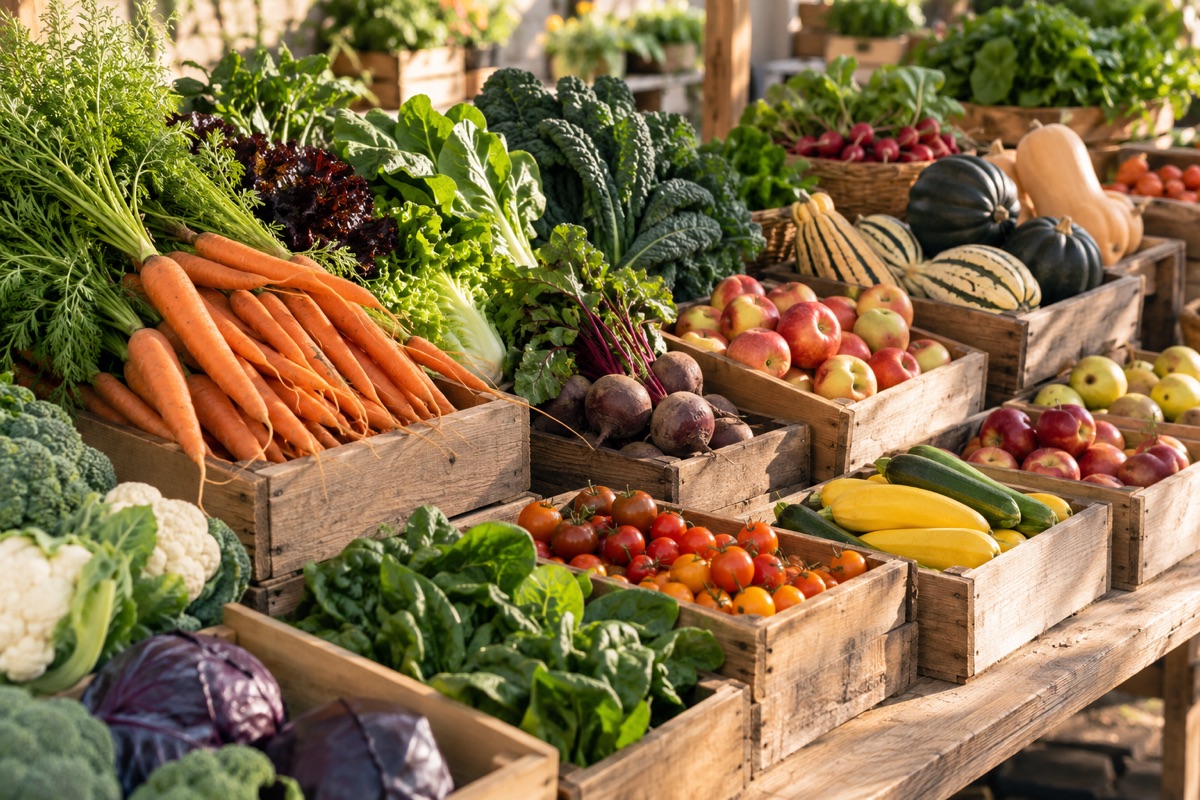
Seasonal cooking means building meals around the fruit and vegetables that are fresh where you live right now. For a beginner, the simplest way to start is to look at what is on the shelf or the market table this week, pick two or three things that look good, and cook them in a method you already know. You do not need a calendar of what is “in season,” and you should be wary of one that claims to apply everywhere.
Seasons are local
In the United States, a vegetable that is at its peak in one region can be out of season in another at the same moment. Climate, elevation, rain and frost all move the dates. USDA’s SNAP-Ed team makes the same point in the announcement of its seasonal produce guide: your local farmers market will tell you what is fresh and available in your area, and each climate and growing region has different produce.
So this article does not list “what is in season in October.” It shows you how to find out for your own area and turn what you find into dinner.
Start with what you have
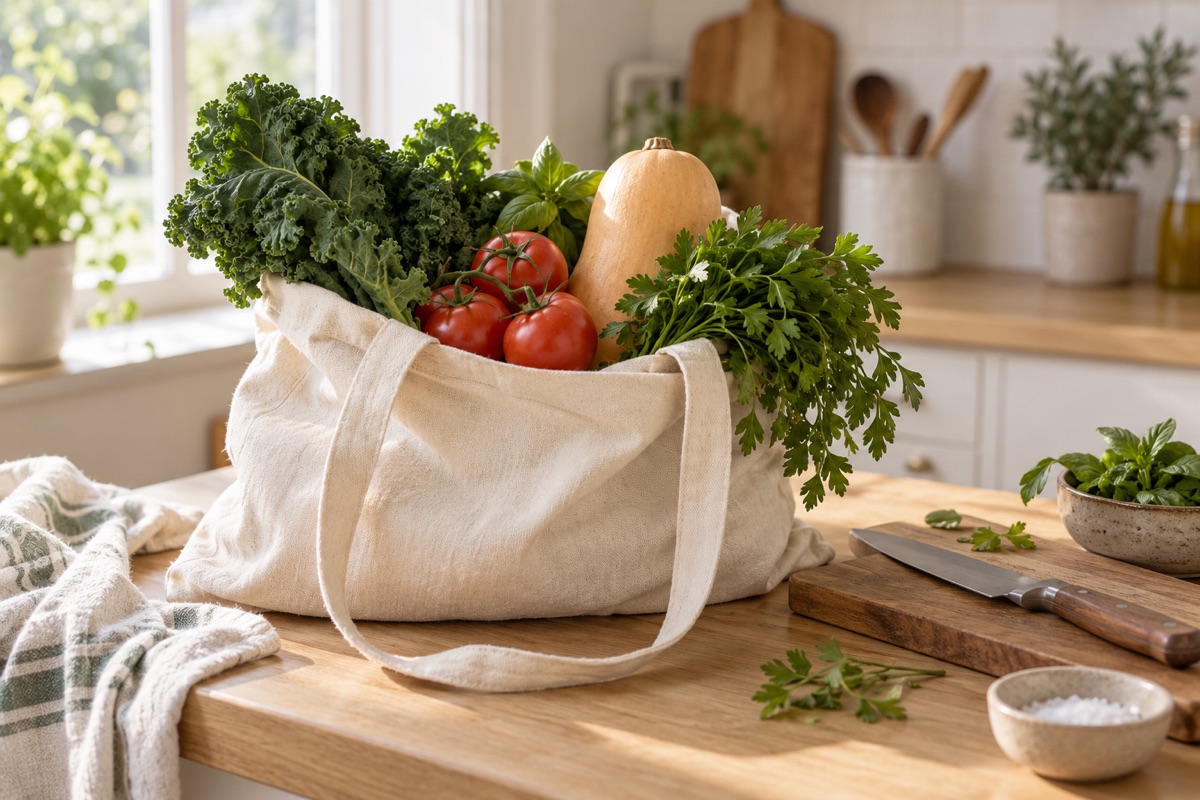
Begin with the kitchen you already have, then add one thing at a time.
- Look at what you own. Check the refrigerator, freezer and pantry before you shop. Seasonal cooking works best when new produce meets staples you already like.
- Pick one new item per week. One unfamiliar vegetable is enough. More than that tends to turn into waste.
- Choose by look, smell and feel. Firm, heavy produce without soft spots or mold is a more reliable guide than a label.
- Ask. At a market, ask the person selling what is best this week and how they cook it. At a supermarket, ask the produce staff what has just arrived.
- Notice price. Produce at peak freshness is often easier to find in quantity and can cost less. That is a pattern, not a rule, and it varies by store.
Find your own seasonal calendar
Walk the whole row at a farmers market before buying anything. Items that appear on many tables are probably at their peak locally. At the store, read the signs and labels for place of origin, since items grown nearby are more likely to be in season where you live.
Many state cooperative extension offices publish a local produce calendar. Search for your state name plus “extension seasonal produce calendar.”
The USDA SNAP-Ed Seasonal Produce Guide sorts produce into spring, summer, fall and winter lists. Its summer list includes tomatoes and zucchini, for example, and its fall list includes pumpkin, winter squash and Brussels sprouts. These are national lists, and the guide itself says seasonal produce in your area will vary with growing conditions and weather, so treat it as a starting point, not a schedule.
Keep a simple note, on paper or on your phone, of what you saw and when. After a few months you will have a calendar of your own.
A simple weekly method
A flexible method works better for beginners than a fixed recipe. Choose a vegetable or fruit that looks good, cut it to similar sizes, and match it with a cooking method you know.
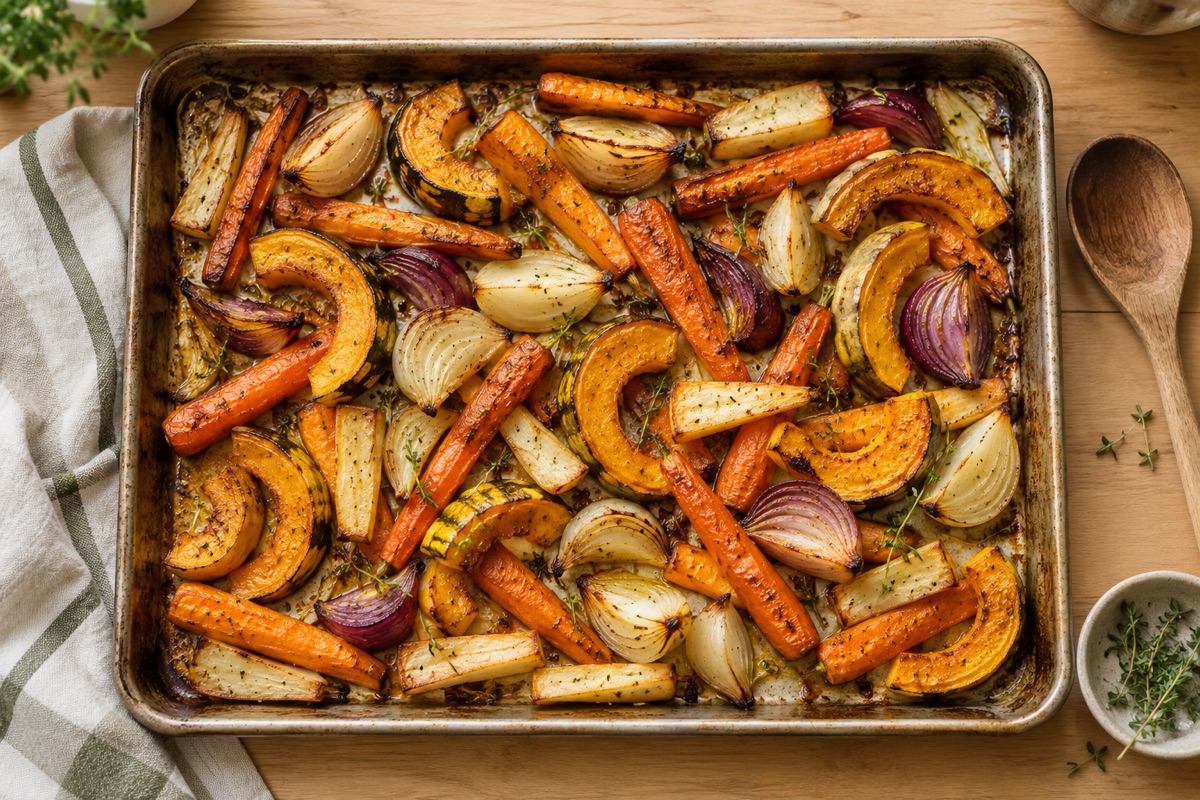
- Roast it on a sheet pan with oil and salt until browned at the edges.
- Sauté it in a pan with onion or garlic.
- Simmer it into soup with stock and a few aromatics.
- Eat it raw or lightly dressed if it is crisp and tender enough.
- Steam it, the way steamed artichokes are cooked, if it is sturdy enough.
Then add a pantry anchor. Staples that are available all year are what make seasonal cooking practical. Grains, beans, pasta, eggs, canned tomatoes and good oil fill the gaps when the market is thin. Quinoa is one grain that rewards a quick rinse before cooking, and tahini can turn plain roasted vegetables into a sauce-and-vegetable plate.
Finish with acid and something fresh. A squeeze of citrus, a splash of vinegar or a handful of herbs wakes up simple food. If you cook with citrus, Meyer lemon versus regular lemon explains how the two differ so you can choose the one that suits the dish.
Examples of how it plays out
These are patterns, not recipes, and none depend on a particular month.
- One tray, one sauce: roast whatever vegetables look good, then drizzle with a sauce from the pantry.
- One pot of soup: simmer the vegetables that are cheapest and freshest with stock, and blend or leave chunky.
- One grain bowl: cook a pot of grain, then top it with a roasted vegetable, a raw crunchy vegetable and a dressing.
- One simple salad: if something is crisp and sweet, slice it thin and dress it with oil, acid and salt.
Cooking the same method with different produce each week gives variety without new skills.
Food safety basics for fresh produce
Wash your hands before handling produce. Rinse fresh fruit and vegetables under running water before you cut or eat them. Keep cut produce chilled and use it promptly. For specific storage guidance for a particular item, check official food safety sources, because look and smell are not safety tests.
What to avoid
- Chasing a perfect calendar. The seasons you read about may not be yours.
- Buying too much at once. Fresh produce is perishable, and the temptation at a market table is real. Buy for the week.
- Overcomplicating. Three ingredients cooked well beat ten ingredients cooked in a hurry.
- Ignoring frozen and canned. The USDA guide notes that fresh, frozen, canned and dried fruits and vegetables all count, and they fill the gaps between fresh items year-round.
- Treating “seasonal” as a quality guarantee. A tomato in season can still be a poor tomato. Use your eyes and nose.
Related reading
Sources
- Seasonal Produce Guide , USDA SNAP-Ed Connection (accessed October 4, 2026) National produce lists by season. States that seasonal produce in your area varies with growing conditions and weather, and that fresh, frozen, canned and dried produce all count.
- New Seasonal Produce Guide veggies! , USDA Food and Nutrition Service, SNAP-Ed Connection (accessed October 4, 2026) Bulletin about the USDA SNAP-Ed Seasonal Produce Guide. States that your local farmers market will tell you what is fresh and that each climate and growing region has different produce.